
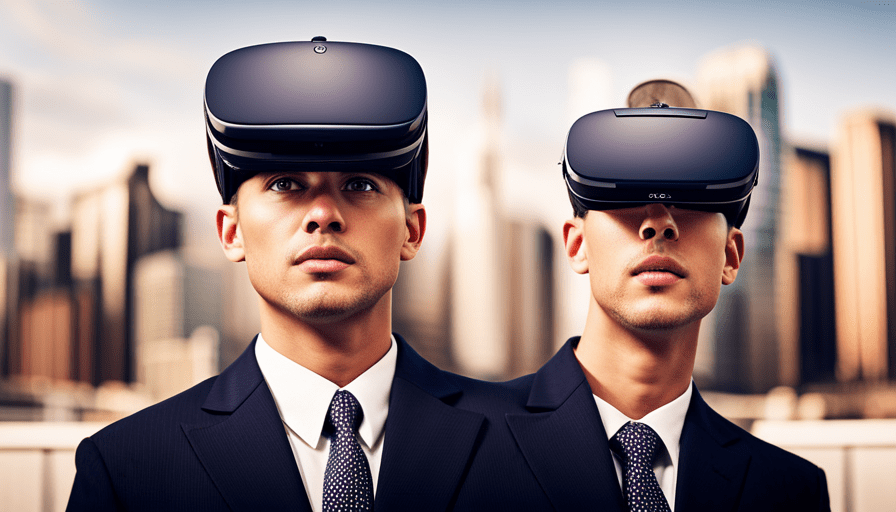
A New Era of Engineering
Engineering has come a long way since the first steam engines were developed in the 18th century. Today, engineers use sophisticated computer programs to design and test everything from buildings to aircraft, and even robots. However, the latest technology to disrupt the field is virtual reality (VR). VR has the potential to revolutionize the way engineers work and collaborate. In this article, we will explore the many ways VR is changing the landscape of engineering.
VR is a computer-generated simulation of a three-dimensional environment that can be experienced through a headset or other devices. It allows users to interact with the environment and objects in real-time, creating a sense of immersion that is not possible with traditional computer screens. VR has been used in gaming and entertainment for years, but its applications in engineering are just beginning to be explored.
So, how exactly is VR changing the way engineers work? Let’s take a closer look.
Virtual Prototyping
One of the most significant benefits of VR for engineering is virtual prototyping. Traditionally, engineers would create physical prototypes to test their designs. This process can be time-consuming and expensive, especially if the design needs to be modified multiple times. With VR, engineers can create a virtual prototype that can be tested and modified in real-time. This not only saves time and money but also reduces the environmental impact of creating physical prototypes.
Virtual prototyping also allows for more extensive testing of designs. Engineers can simulate different scenarios and environments to see how their designs perform. For example, an aircraft can be tested under various weather conditions and altitudes, allowing engineers to identify potential issues before the aircraft is built. This reduces the risk of costly mistakes and ensures that the final design is optimized for its intended use.
Additionally, virtual prototyping opens up new possibilities for collaboration. Engineers from different locations can work together in a shared virtual environment, making it easier to share ideas and make changes. This can lead to more innovative and efficient designs.
Training and Education
VR is also transforming the way engineers are trained and educated. Traditionally, engineering students would learn through lectures and textbooks, with limited hands-on experience. With VR, students can experience engineering concepts in a virtual environment, giving them a better understanding of how things work in the real world.
For example, VR can be used to simulate the operation of complex machinery or equipment. Students can practice operating the equipment in a safe and controlled environment, reducing the risk of accidents and mistakes. VR can also be used to simulate different scenarios and environments, allowing students to develop problem-solving skills and critical thinking.
VR can also be used for remote training and education. Engineers in different locations can participate in virtual training sessions, reducing the need for travel and logistics. This makes training more accessible and cost-effective.
Visualization and Communication
Another benefit of VR for engineering is improved visualization and communication. Traditional computer screens can only display two-dimensional images, making it difficult to visualize complex designs. With VR, engineers can view their designs in three dimensions, allowing for a more realistic and detailed understanding of the design.
VR can also be used for communication between engineers and clients. Clients can view the design in a virtual environment, giving them a better understanding of the project. This can help to reduce misunderstandings and ensure that the final product meets the client’s expectations.
Additionally, VR can be used for public engagement. For example, a VR simulation of a proposed building can be used to engage with the public and gather feedback. This can help to ensure that the design meets the needs of the community.
The Future of Engineering
Virtual reality is changing the landscape of engineering in many ways. From virtual prototyping to training and education, VR is making engineering more efficient, cost-effective, and accessible. As VR technology continues to improve, we can expect to see even more applications in engineering and other fields. The future of engineering is exciting, and virtual reality is playing a significant role in shaping it.
 Cerrah
Leave a comment